

Slow Fashion
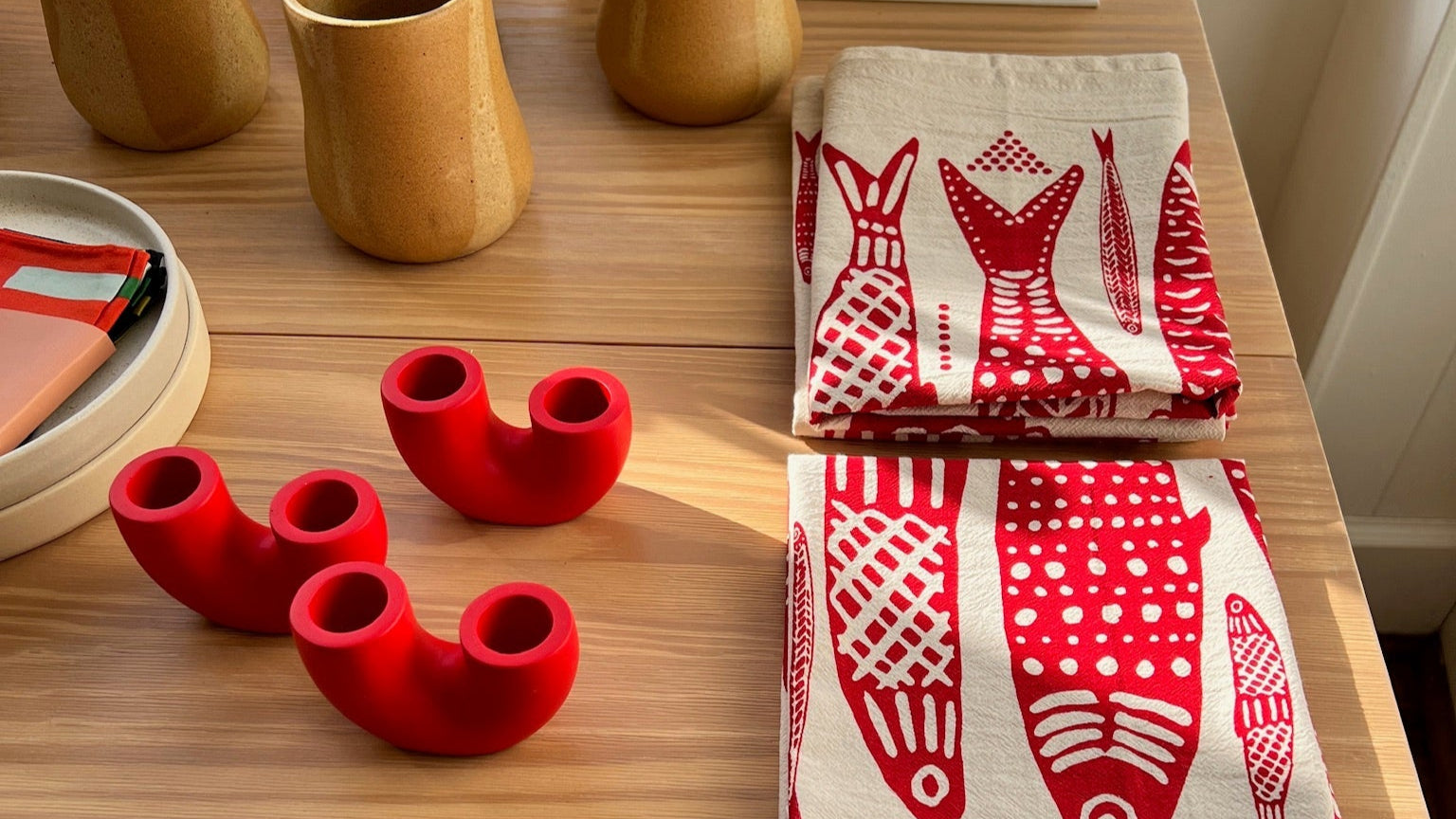
We celebrate slow fashion
Slow fashion is a movement and approach within the clothing industry that emphasizes mindful design, production, and consumption of garments to promote sustainability and reduce waste. Unlike fast fashion, which focuses on rapid mass production and short-lived trends, slow fashion prioritizes quality, durability, timeless design, and ethical production practices. It matters because the traditional fast fashion model leads to environmental degradation, textile waste, and exploitation of labor, whereas slow fashion aims to create clothing that lasts longer, has a lower environmental footprint, and supports fair labor conditions.
If you want to embrace slow fashion:
- Buy Less and Choose Quality: Prioritize durable, timeless pieces over fast, trendy garments.
- Care for Garments Properly: Use appropriate washing, storing, and mending techniques to extend clothing lifespan.
- Repair and Upcycle: Fix damaged garments or creatively transform old clothing into new items.
- Shop Secondhand or Rent: Purchase preloved clothing or rent items to reduce demand for new production.
- Donate or Recycle: Pass on clothes responsibly instead of discarding them.
These behaviors collectively reduce waste, lower environmental impact, and support ethical fashion systems.
The core principles of slow fashion include:
- Quality over Quantity: Creating durable garments made with high-quality materials to last for years.
- Sustainability: Using environmentally responsible materials and production processes to minimize harm to the planet.
- Ethical Production: Ensuring fair wages, safe working environments, and respect for workers' rights.
- Timeless Design: Focusing on classic styles rather than fleeting trends to encourage long-term use.
- Conscious Consumerism: Encouraging buyers to make thoughtful choices, such as buying less, repairing, and recycling garments.
Together, these principles aim to reduce the fashion industry's negative impacts and promote a more sustainable wardrobe.
The fashion industry contributes significantly to environmental issues through:
- Pollution: Production processes release toxins and chemicals into air and water.
- Water Consumption: Cotton farming and fabric dyeing consume vast amounts of water, often polluting waterways.
- Textile Waste: Large quantities of unsold or discarded clothing often end up in landfills or incineration.
- Carbon Footprint: Manufacturing, transportation, and retail contribute to greenhouse gas emissions.
Fast fashion exacerbates these problems by producing cheap, disposable garments in large quantities, while slow fashion seeks to minimize environmental harm through sustainable materials and processes.
Slow fashion emphasizes materials that are environmentally friendly and ethically sourced, including:
- Organic Cotton: Grown without synthetic pesticides or fertilizers, reducing harm to ecosystems.
- Recycled Fibers: Made from repurposed textiles or plastic, reducing reliance on virgin resources.
- Natural Fibers: Such as wool, linen, and hemp, which are biodegradable and renewable.
Using these materials reduces water consumption, chemical pollution, and carbon emissions compared to conventional fabrics. It also supports healthier ecosystems and often involves more responsible farming practices.
Slow fashion production techniques focus on quality, sustainability, and transparency:
- Small-batch Manufacturing: Producing limited quantities to reduce overproduction and waste.
- Handmade and Artisanal Methods: Utilizing skilled craftsmanship to enhance garment quality and preserve traditions.
- Supply Chain Transparency: Openly sharing details about sourcing, labor conditions, and environmental impact.
These methods contrast with mass production in fast fashion, prioritizing ethics and sustainability over speed and volume.
Slow fashion promotes economic and social sustainability by:
- Ensuring Fair Wages and Safe Working Conditions: Ethical production supports workers' rights and well-being.
- Fostering Local Economies: Partnering with local artisans and small businesses preserves livelihoods.
- Preserving Craftsmanship: Valuing traditional skills sustains cultural heritage and specialized knowledge.
- Challenging Fast Fashion’s Model: Emphasizing long-term value over short-term profits encourages responsible business practices.
For example, a slow fashion brand collaborating with indigenous weavers ensures fair pay and helps maintain textile traditions, benefiting communities economically and culturally.
Upcycling is the process of transforming old, worn-out, or discarded clothing and materials into new products of higher quality or value. It differs from recycling, which often breaks materials down to create lower-quality items. In slow fashion, upcycling:
- Extends Garment Life: Reduces textile waste by repurposing existing fabrics.
- Promotes Creativity: Encourages unique, personalized fashion pieces.
- Lowers Environmental Impact: Minimizes resource use by avoiding new raw materials.
For example, an old shirt might be turned into a stylish bag or patchwork garment, embodying slow fashion’s sustainability ethos.